Stories From Rough Times: Old School Gritty Tales
Dig deep in the library or at a used book store in the fiction shelves and it’s possible to find a any number of very talented writers whose work, often semi-biographical, speak of rough times. Some are well-known and famous. Others may never find commercial success. Naturalistic and often stylish, you can recognize these works in the Beats, in some of the Soviet samizdat, and in some pieces of French naturalism at the end of the 1800s. Characters struggle with poverty, drugs and alcohol, poor choices and difficult outcomes. More often than not, dark humor leavens the prose. Several popular American writers, especially those who worked in the short story vein, explored these lives. Jack London, Raymond Carver and O. Henry come to mind. There’s a texture to this sort of fiction that can really ring true.
Lucia Berlin was such an author in the post-WWII years. A collection of her short stories, A Manual for Cleaning Women, resonated with me. I am not alone, for her work is enjoying a renaissance. Berlin (1936 – 2004), had issues with alcohol, difficult men, and poor health throughout her life. She held numerous working class jobs, including as a house cleaner, and drew deeply from her personal experience and the lives of those around her. Berlin kept writing through it all. Eventually her talent was recognized and she secured a faculty position. This was later in her life. Berlin was an outstanding teacher, and I would imagine that part of her skill set in the classroom was deep empathy. It is embedded in her stories.
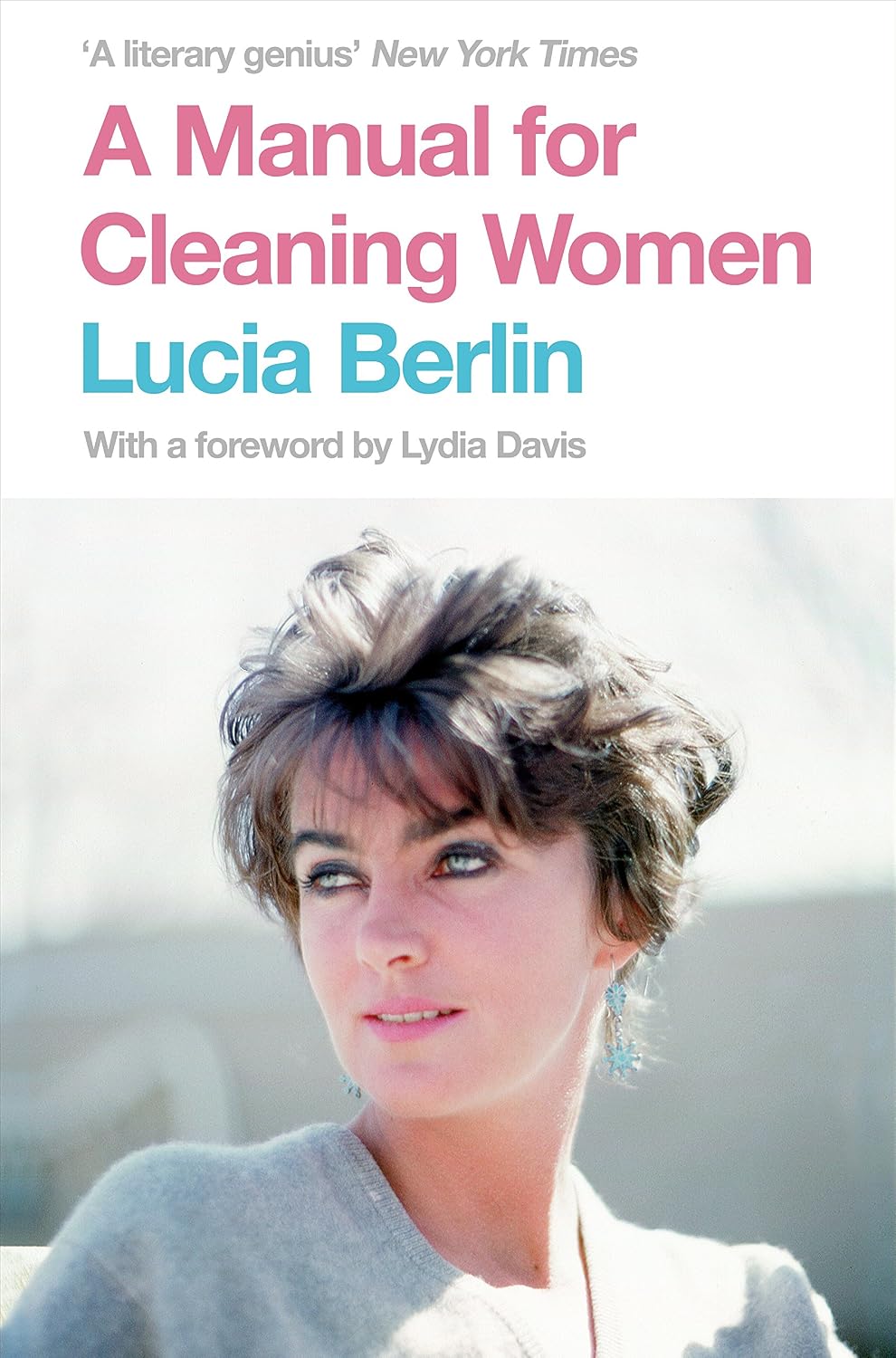
Berlin’s prose is sharp. Lydia Davis, who penned the introduction, writes that it is exhilarating. There is great economy to her stories, which are far from formulaic. They proceed quickly, with all unnecessary detail stripped away. Do not look for set endings or catharsis. Things jump, often quickly, and with a point. Berlin provides slices of reality from perspectives and voices rarely heard. In most of the stories in this collection, she writes as a woman and as a mother, roles that many male authors simply will not or cannot assume. One would not call her fiction feminist, though, for there is little to no polemics. Berlin’s greater concerns, above and beyond literature, were liberal in the old sense of the term. Every person (or character) has value. Everyone’s voice has some worth.
Berlin is democratic with a small “d.”
If one were to consider thematic issues, class is perhaps as important as gender. Berlin’s vantage point is without privilege, with limited agency, and ongoing concerns of control. She does not romanticize poverty or distress, though, and she is consistently thoughtful. The aim is not to shock. Nonetheless, some of her stories do cut to the quick, often unexpectedly.
My wish after reading A Manual? That I knew of her earlier and had read her along with other contemporary authors. I also wish there was something of a personal happy ending for Berlin, that her immense skill was recognized, that she found some comfort and ease amid all the grit.
David Potash